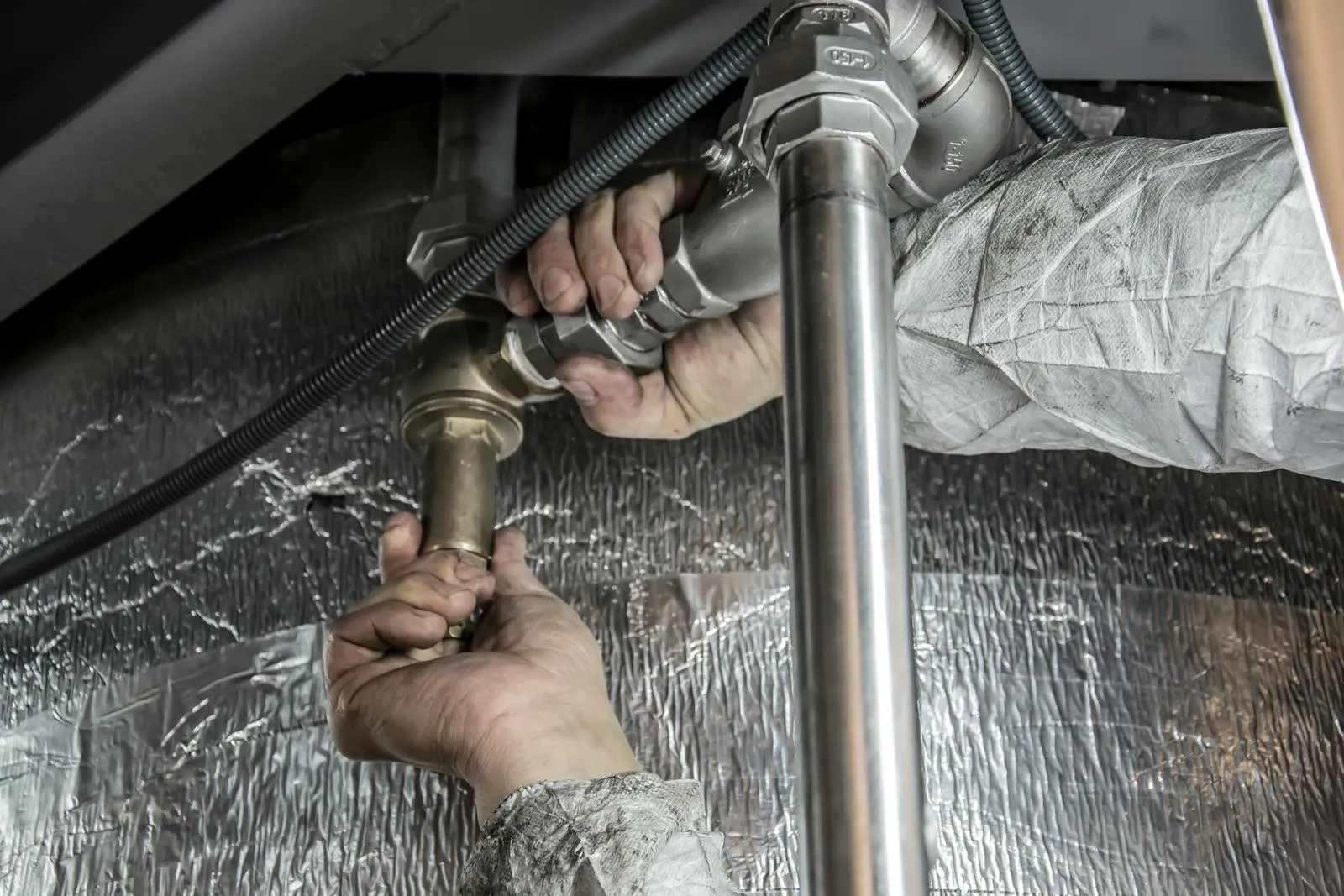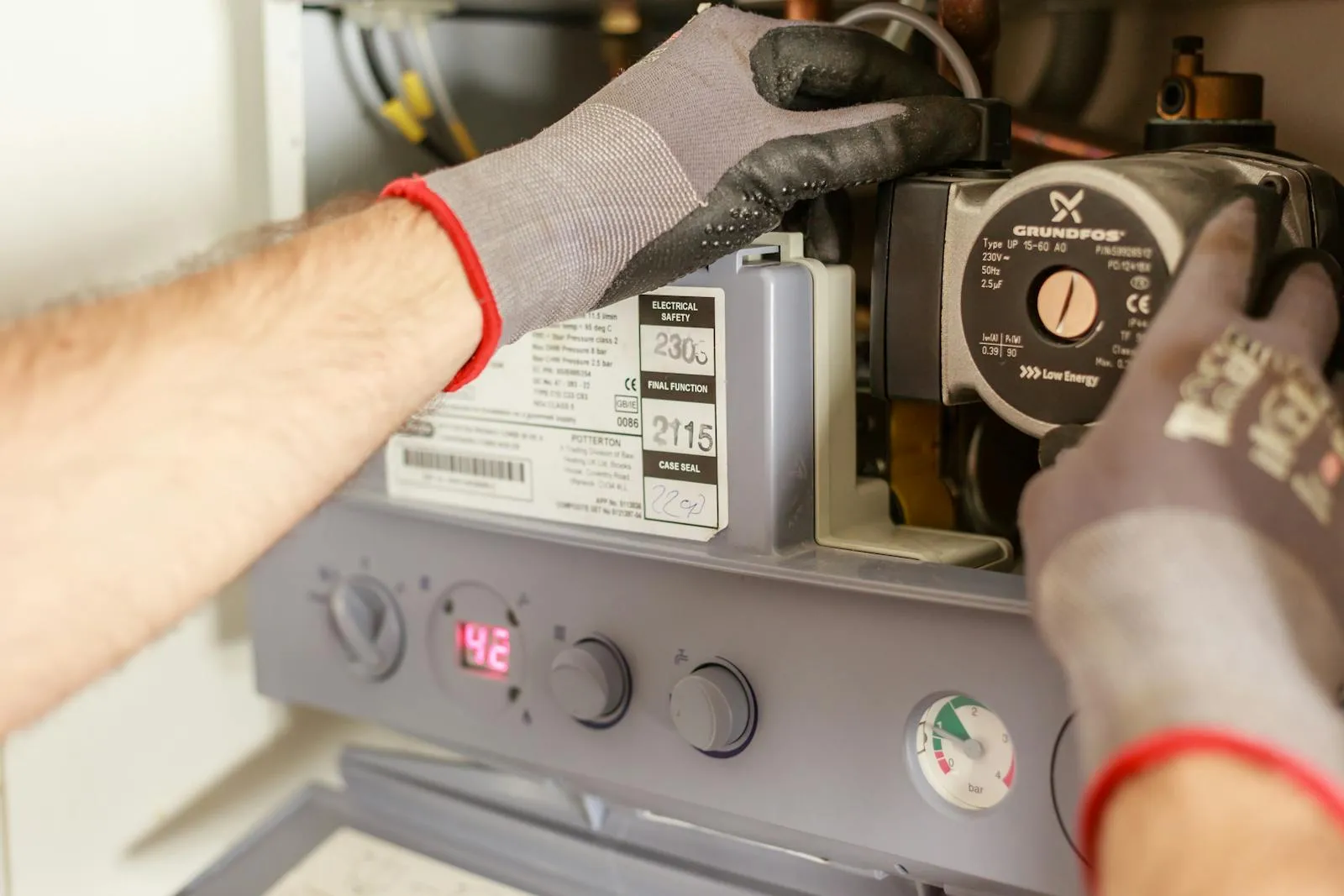
On site this week: replacing a 35-year-old Worcester boiler in Earley
A 1991 floor-standing Worcester finally locked out for good. Here's what we put in its place, why, and what the customer paid.
The customer
A family of four in a 3-bed semi off Chalfont Way in Earley (RG6). Their original Worcester Heatslave was fitted in 1991, served them for thirty-five years, and finally locked out for good on a cold Sunday morning at the end of last week. Two adults, two kids, no hot water, an electric heater plugged into the kitchen, and a text on the Monday morning that read “please tell me you can get someone out today”.
We could. Asif had a cancellation, did a survey at 11am, and the full quote was in the customer’s inbox by 2pm. They signed it the same afternoon and we started Wednesday morning.
Why the Greenstar 8000 Style
Three reasons. First, the modulation range. The 8000 modulates right down to about 12% of its rated output, which matters enormously in a well-insulated 1980s semi where the heat-loss is much smaller than the boiler’s headline kW figure. Less cycling, longer burns, more efficiency, quieter house.
Second, the warranty. Twelve years parts and labour, on a Worcester accredited install with a magnetic filter and a Worcester smart control. The filter and the control are non-negotiable from Worcester’s side, and they’re both things we’d fit anyway. So the longest warranty in the market, with no extra spend on optional add-ons, just things we already wanted on the wall.
Third, room. The Greenstar 8000 Style is a slim cabinet, 390mm wide, and there was a useful gap of 410mm between the consumer unit and the corner in their utility room. The old Heatslave was a floor-standing brick. New boiler on the wall, three feet of floor reclaimed for a tumble dryer. Not the headline reason, but a quiet win.
Day 1: strip out, system flush, gas run
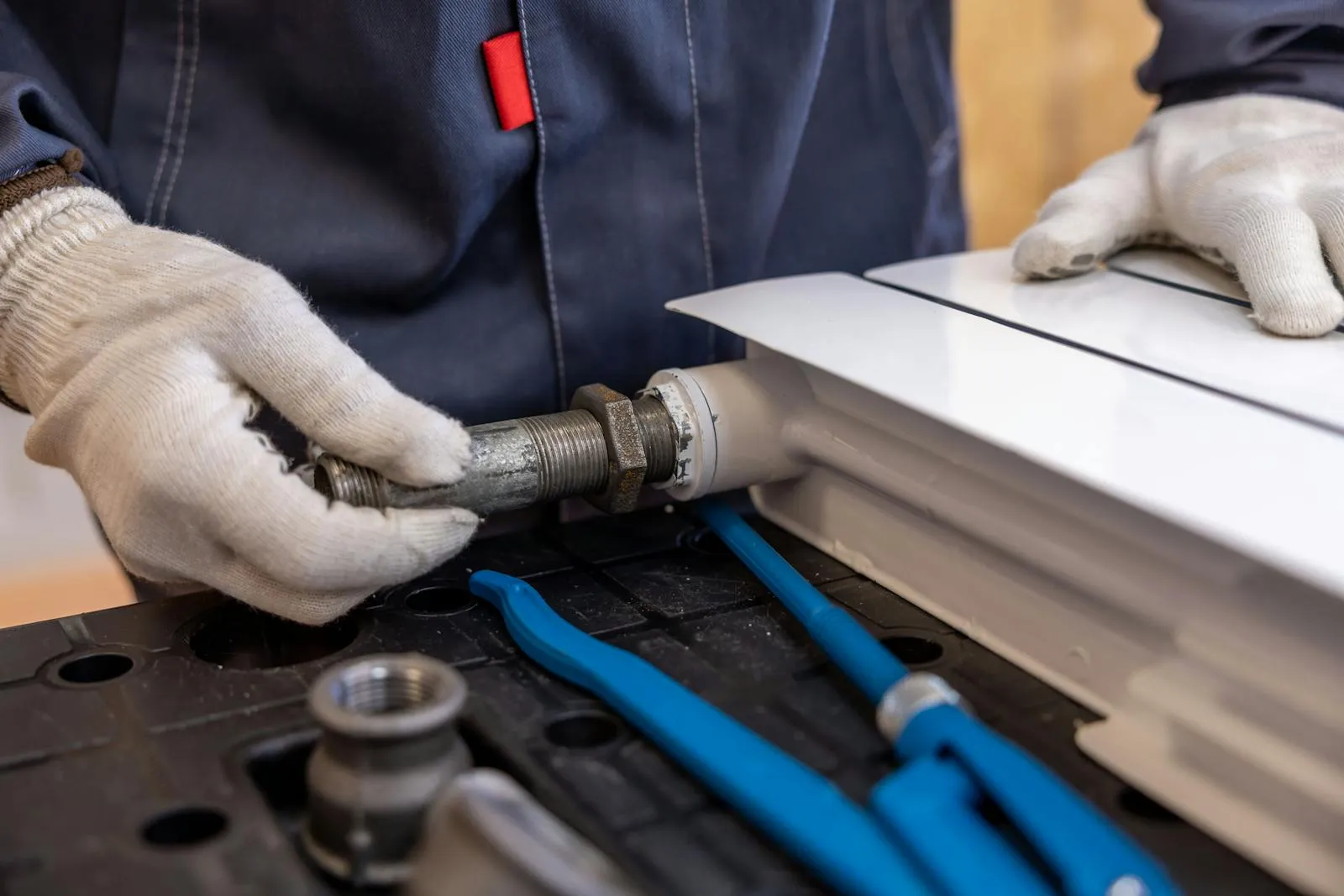
Strip-out is the depressing bit. Thirty-five years of sludge in the system, a flue chase that needed re-coring through the brickwork because the new flue exits at a slightly different height, and the old gas run was 15mm where the new boiler wants 22mm to make its modulation figures.
We powerflushed the system off a portable rig parked in the utility, then dropped a magnetic filter into the return as standard. The new 22mm gas run goes through the airing cupboard and ducks under the floor in the hall, soldered and pressure tested at 25mbar, certificated and signed off.
Day 2: install, commissioning, controls
Boiler on the wall by lunchtime, flue out, condensate to the kitchen waste with the right fall and a heated trace where it runs through the cold cupboard. Filling loop in, pressure up to 1.4 bar cold, vented at every radiator, balanced.
First fire-up is always the moment. Combustion analysis came in at 8.4 CO2 and 0 ppm CO, which is bang in the middle of where Worcester want it. Hot water flow at the kitchen sink hit 14 litres a minute, comfortably above the boiler’s rated figure for that property’s mains pressure.
The smart-control tour
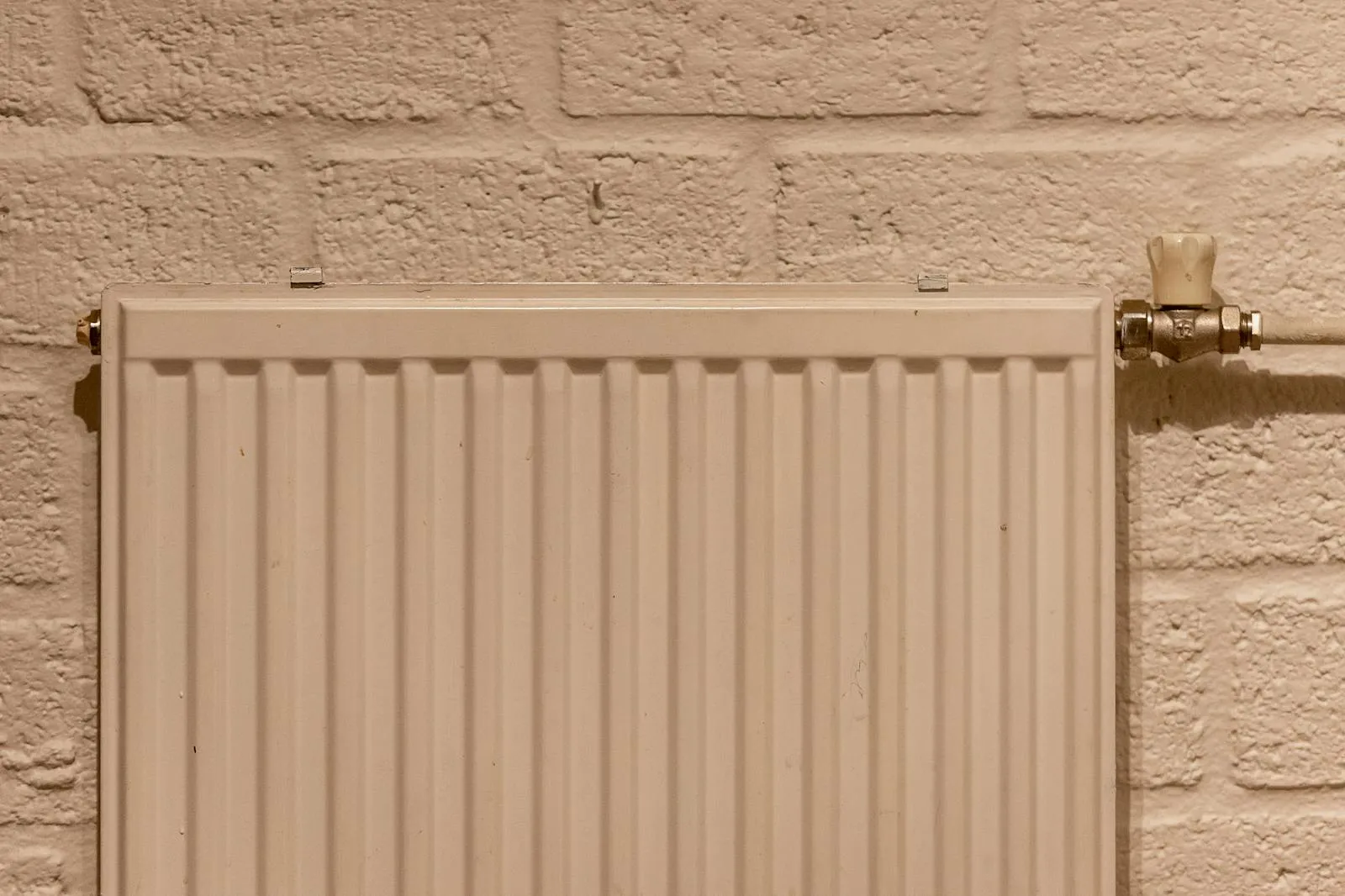
We paired a Worcester Wave to the boiler and walked the customer through the schedule. Default for them: 06:30 to 08:30 at 19 degrees, off during the day, 17:30 to 22:00 at 20 degrees, set- back to 16 degrees overnight. The Wave learns the pre-heat lag of the property, so the kitchen is already warm when the family comes downstairs, without the boiler running through the small hours.
The customer asked, sensibly, whether they should just leave the heating on low all the time. The answer is no. Set-back schedules save money in any house with reasonable insulation, and this house has it. Constant-on is a myth that won’t die.
What it cost
The headline figure was under £3,200 fitted. That includes the Greenstar 8000 Style, the magnetic filter, the Worcester Wave smart control, the new 22mm gas run, the powerflush, the rebalanced radiators, the flue re-core, all certificates, and the old boiler taken away on the same van it arrived in. We offer finance through Kanda, 0% over 24 months, which the customer took.
Twelve-year warranty. One service a year (£89). They should be good for the next fifteen years without thinking about heating again.
Why this matters for older Reading housing stock
A lot of the housing in RG5, RG6 and RG30 is from the same 1980s wave, and a lot of it has the same kit on the wall: an original Heatslave, a Glow-worm Hideaway, or an early Ideal Mexico that’s been limped through with a new pump and a fingers- crossed expression. Every one of those boilers is on borrowed time. The right replacement isn’t the biggest one Wickes will sell you, it’s the one that fits the heat-loss of the house and the mains flow at the kitchen tap.
Want to know which boiler that is for your house? Ring us. The survey is free, and we’ll tell you the answer on the day.
About the author

Tom Northgate
Owner, Gas-Safe engineer
22 years on the tools
Started his apprenticeship in 2003, qualified in 2007, set up Northgate in 2011 after a decade with a Reading installer. Still does install surveys himself.
More from the blog
See all articles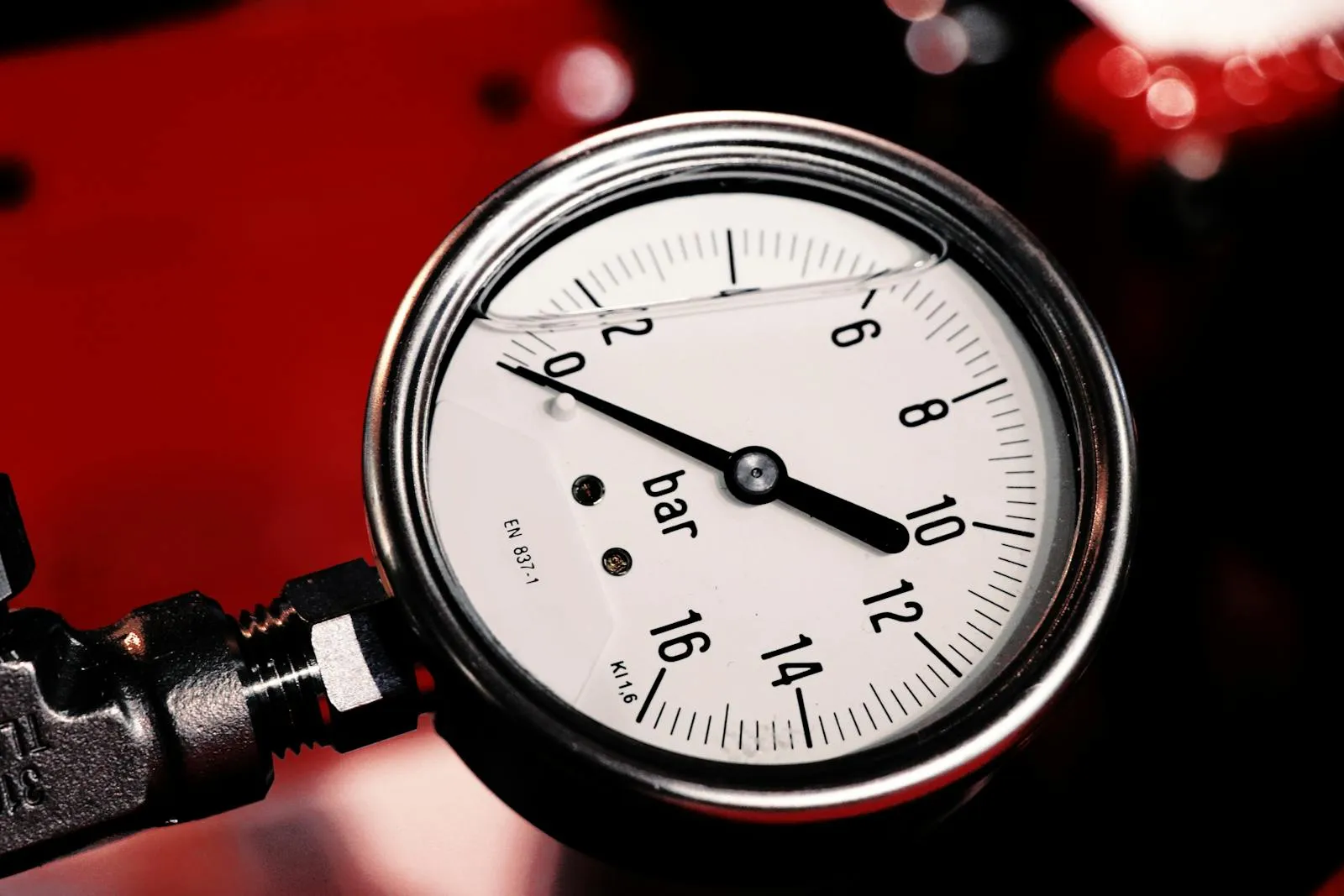 Advice
Why is my boiler losing pressure (and when to actually worry)
Topping up the system once a year is normal. Topping it up twice in a week isn't. Here's how to tell the difference, plus the three causes worth ringing about.
 Advice
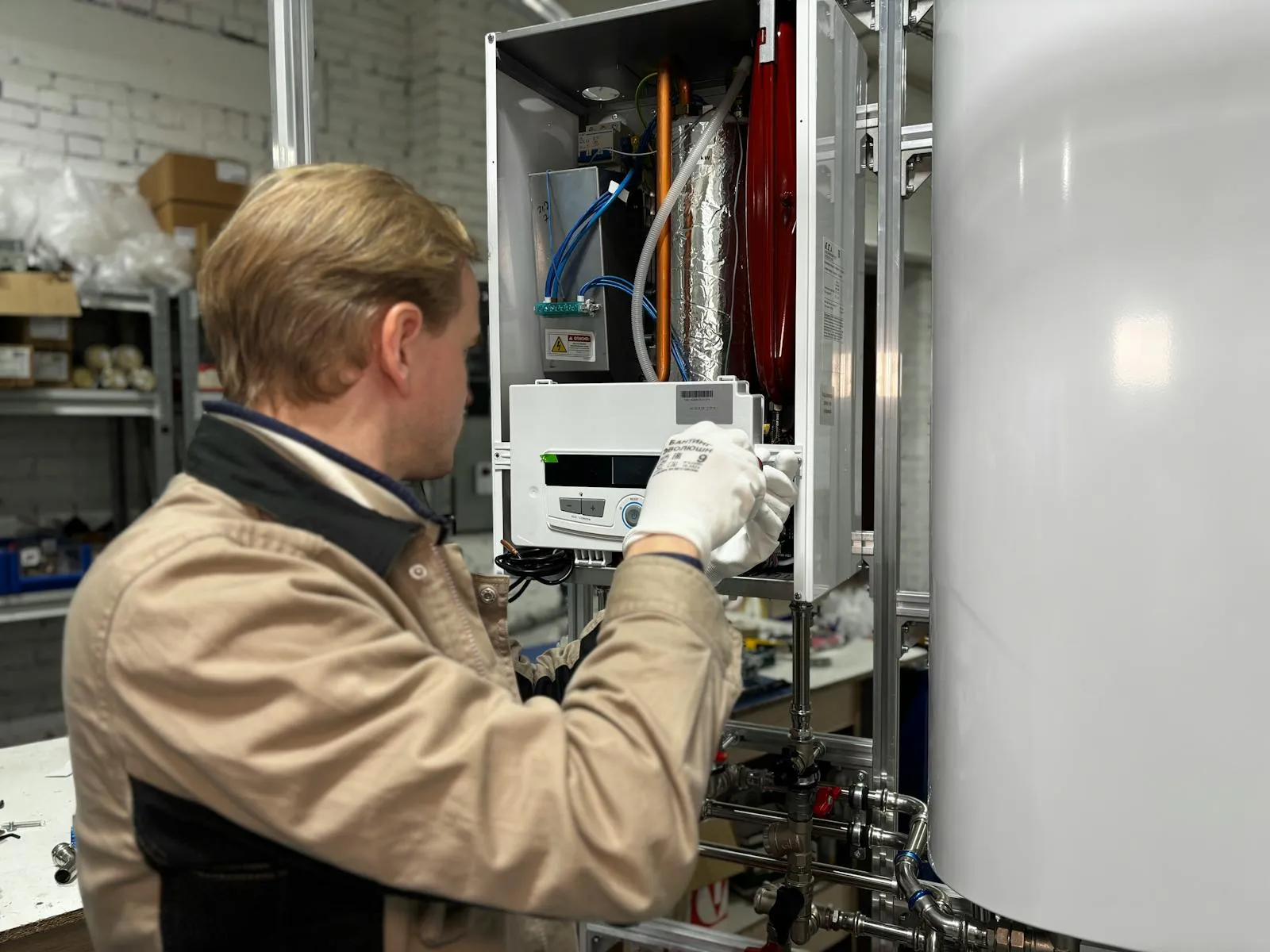
How long should a boiler actually last? (And how to make yours last longer)
The honest answer is 10 to 15 years for a combi. Most don't. Here are the four things that genuinely buy you another five years on the back end.
 Case study
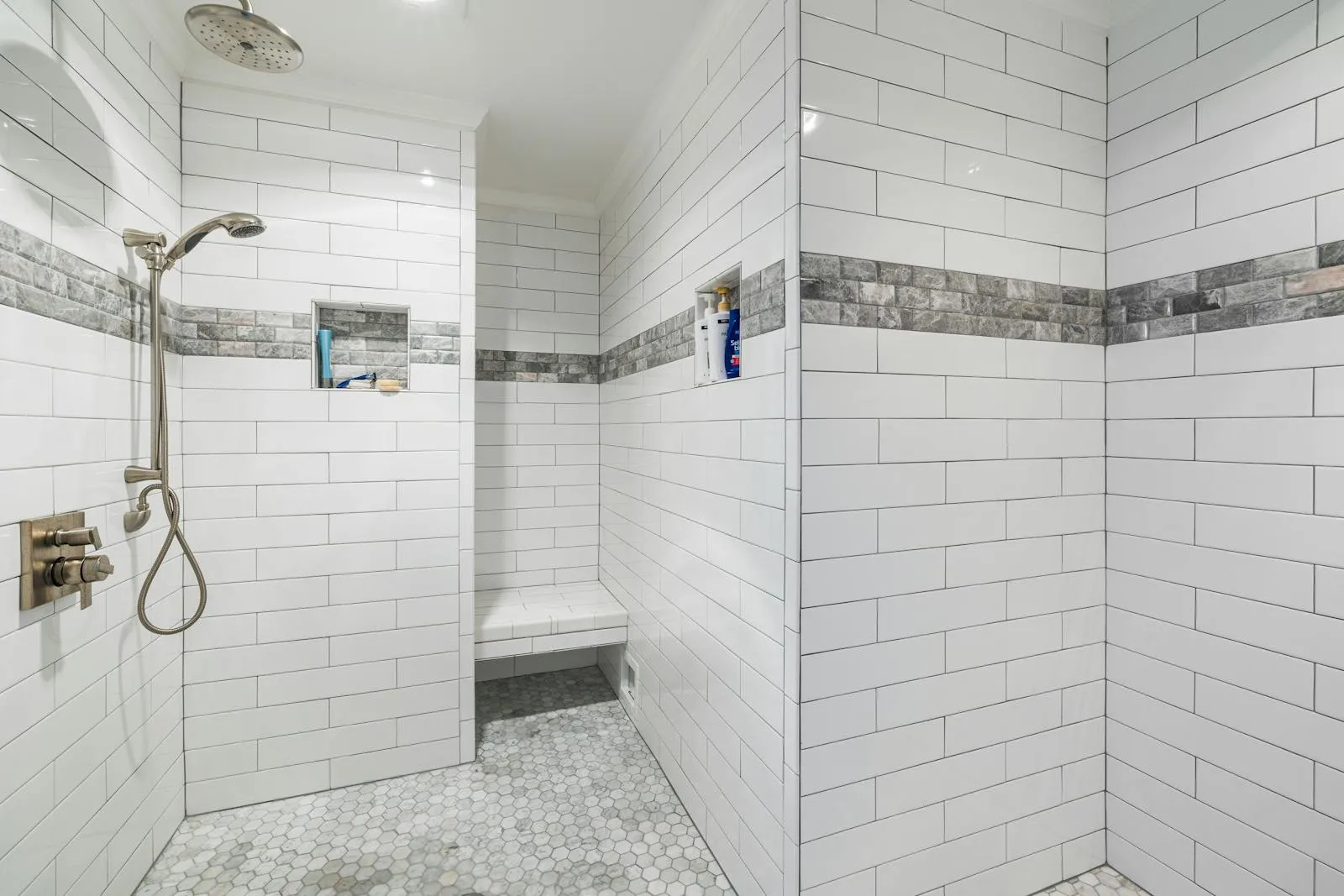
Bathroom refit in Caversham: stripping a 1980s suite back to the studs
Avocado bath, pine tongue-and-groove, and a hidden lead pipe behind the panelling. Five working days from strip-out to walking the client through the new walk-in shower.