Why is my boiler losing pressure (and when to actually worry)
Topping up the system once a year is normal. Topping it up twice in a week isn't. Here's how to tell the difference, plus the three causes worth ringing about.
This is the call we get most often in the autumn, usually two days after the heating has gone on for the first time. Your boiler shows a pressure that’s drifted below 1.0 bar, the radiators are tepid, and you’re wondering whether you’ve got a leak somewhere or whether you can just top it up and forget about it.
The honest answer is that it’s usually one of three things. Two are harmless and you can deal with them yourself. One is worth ringing an engineer about before it gets worse. Here’s how to tell which is which.
The normal pressure range
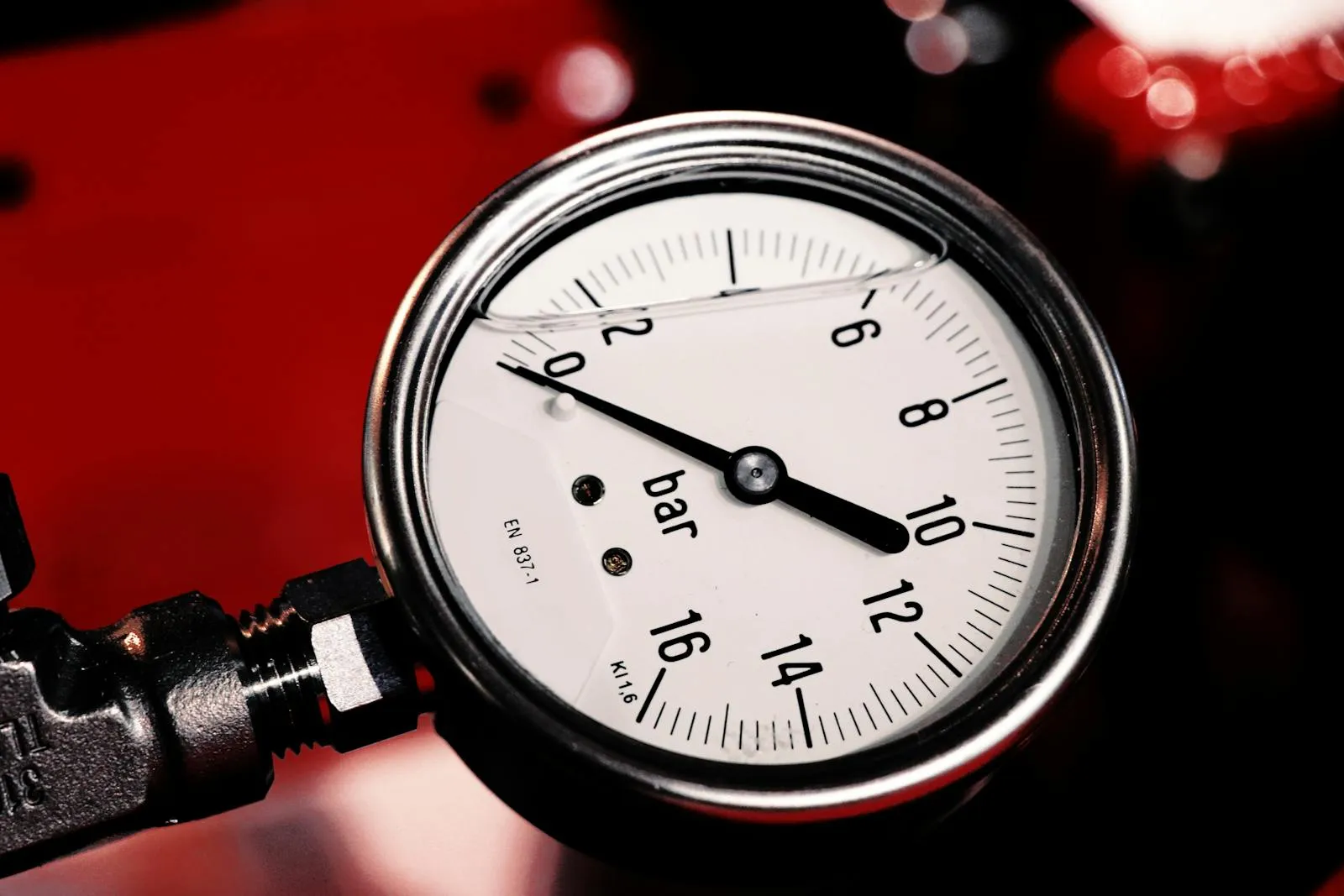
On a typical UK domestic combi boiler, the system should sit at between 1.0 and 1.5 bar when cold. When the heating’s been on for an hour or two and the water has expanded, it’ll climb to 1.8 to 2.2 bar, which is also fine. Anything below 0.5 cold or above about 2.8 hot is worth looking at.
The exact range is on the boiler’s pressure dial: if you’ve got a green band and a red band, the green band is where you want the needle when cold.
Common harmless causes
Two things genuinely don’t need an engineer.
1. You bled the radiators recently
Bleeding a radiator releases air, which means the volume of water in the system goes down, which means pressure drops. This is completely normal. Top the system up via the filling loop (we explain how below), and check it again the next day. If it’s held, you’re done.
2. The system is brand new and still settling
For the first month or two after a new boiler install or a big rad swap, the system is letting out trapped air through the automatic air vent at the boiler. Pressure can drift a little each week. Once it stops drifting, the system has finished burping itself. Top up if it goes below 1.0, ignore otherwise.
The three real causes worth ringing about
If you’ve topped the system up, watched it for a couple of days, and the pressure’s still falling, one of these three is at work.
1. There’s a leak somewhere
Water is leaving the system, which is why the pressure won’t hold. Most leaks are tiny, slow drips on a compression fitting behind a radiator, under a floorboard, or in the airing cupboard on the boiler’s own pipework. Worth a walk round the house looking for a damp patch on a ceiling, a stained skirting board, or a stiff valve. If you can’t see anything, that doesn’t mean there isn’t one. It just means you can’t see it.
2. The expansion vessel inside the boiler has lost its charge
Every combi has a small bladder vessel inside that absorbs the expansion of the heating water as it warms up. After about ten years the bladder loses pressure, and you start to see big pressure swings (low when cold, very high when hot, then a drop from the pressure relief valve, then low again).
It’s a Gas Safe job to recharge or replace, but the symptom you can spot at home is a needle that swings wildly between cold and hot, rather than gently climbing.
3. The pressure relief valve is dripping outside
Every boiler has an external copper pipe sticking out through an outside wall (often near the boiler, often near a downpipe). If that pipe is dripping, your system is over-pressurising and the valve is doing its job. Cause is usually one of the other two things in this list, but the symptom is water leaving the system through the outside pipe, which looks just like a slow leak from the boiler’s point of view.
How to top up properly
Most modern boilers have a filling loop: a flexible silver braided hose underneath the boiler with two small black taps, one at each end. Topping up is a one-minute job:
- Turn the heating off and let the boiler cool for ten minutes.
- Find the filling loop. It’s the silver hose under the boiler with two black quarter-turn taps.
- Open both taps slowly. You’ll hear water hissing into the system.
- Watch the pressure dial on the front of the boiler. Stop when it reaches 1.2 bar. Resist the urge to go higher.
- Close both taps firmly, in the order you opened them.
- Wipe the loop dry, fire the boiler back up, you’re done.
Some older systems use a key-fill arrangement instead of a loop; the principle is the same, but the key has to go in the right way round and you can over-pressurise quickly, so go gentle.
When to stop topping up and ring an engineer
Two simple rules:
- If you’ve had to top up twice in a week, stop and ring us. Something is leaving the system faster than a settling-in period would explain. Topping up regularly introduces fresh oxygenated water into a sealed system, which rusts the radiators from the inside out.
- If the pressure climbs above 3.0 bar when the heating is on, ring us today.The relief valve is about to lift (or already has). That’s a faulty expansion vessel until proven otherwise.
Quick at-home checks anyone can do
- Walk every radiator and look at the floor underneath. Damp carpet, stained skirting, or rust at the bottom of the panel are leak signs.
- Find the external relief pipe (usually a 15mm copper pipe coming out of the wall near the boiler) and check whether it’s dripping or wet at the tip.
- Check the airing cupboard floor for damp. The boiler’s own connections are the most common source of a slow drip.
- Note the cold pressure reading every morning for three days. A 0.1 bar drop a day is borderline; 0.2 bar a day is a leak.
One Reading-specific note
A lot of the post-war housing stock around Reading (RG2, RG6, RG30) was built with the central-heating pipework run above the first-floor ceilings, in the loft void or in the loft insulation itself. That’s where most slow leaks live, and it’s why the first sign you see is a damp patch on a ceiling rather than a wet patch on a carpet. If you’re losing pressure and you can’t see a damp patch on a wall, check the ceilings of the rooms underneath your loft hatch first.
Still confused? Send a photo of your boiler’s pressure gauge to us on WhatsApp and we’ll tell you what it means. No charge for a five-minute opinion.
About the author

Asif Hussain
Senior heating engineer
14 years on the tools
Joined Northgate in 2016 from British Gas. Worcester Bosch accredited installer. Most likely to be the engineer who turns up at your house.
More from the blog
See all articles On the job
On site this week: replacing a 35-year-old Worcester boiler in Earley
A 1991 floor-standing Worcester finally locked out for good. Here's what we put in its place, why, and what the customer paid.
 Advice
How long should a boiler actually last? (And how to make yours last longer)
The honest answer is 10 to 15 years for a combi. Most don't. Here are the four things that genuinely buy you another five years on the back end.
 Case study
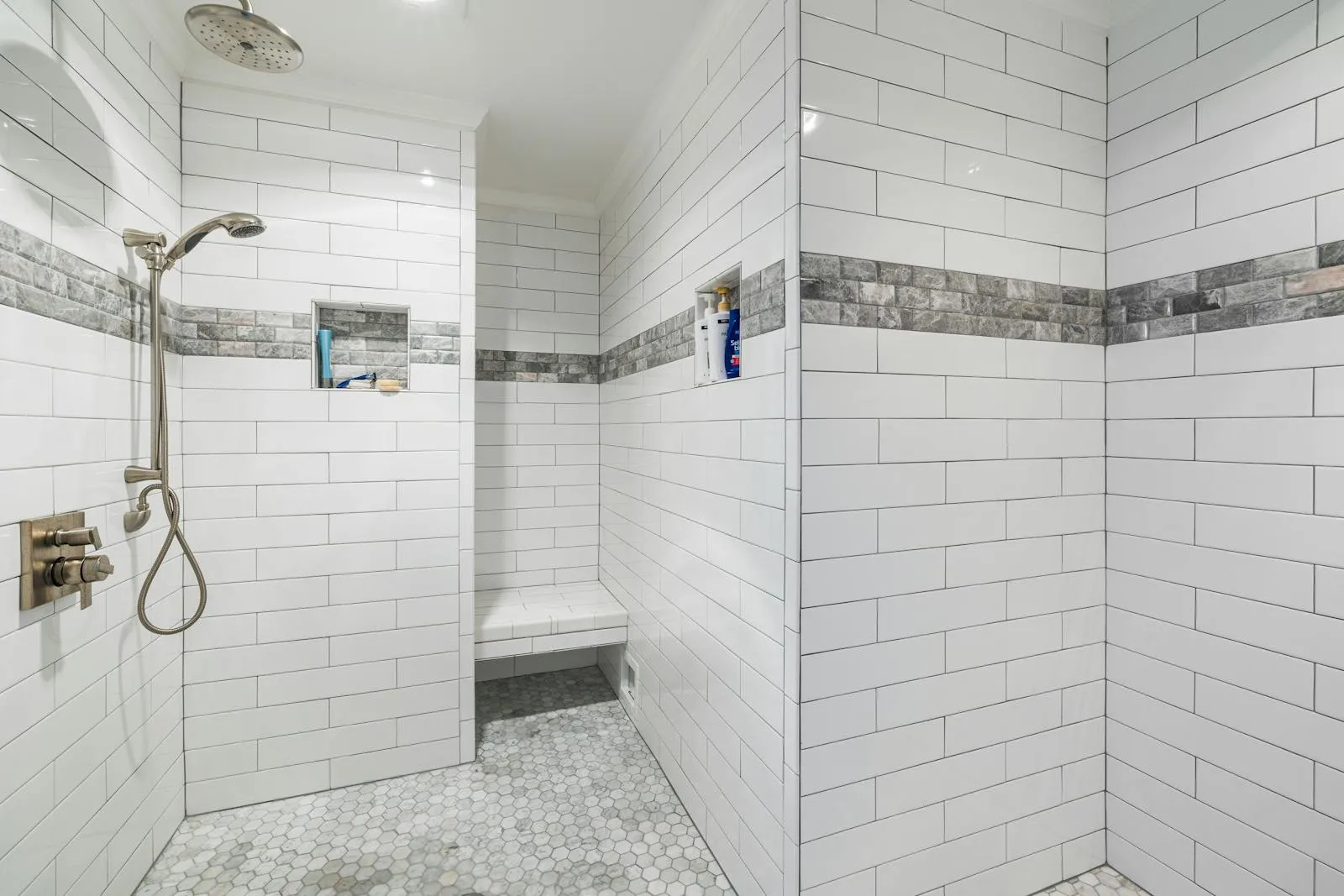
Bathroom refit in Caversham: stripping a 1980s suite back to the studs
Avocado bath, pine tongue-and-groove, and a hidden lead pipe behind the panelling. Five working days from strip-out to walking the client through the new walk-in shower.